Oregon Healthcare Benefits Consultant for Small Businesses
PDX Benefits is an independent Oregon healthcare benefits consultant helping small businesses compare health insurance, improve employee benefits, and plan for renewals. Based in Portland, we help employers across Oregon, Washington, California, Michigan, and Arizona understand coverage options, coordinate pre-tax benefits, and choose a practical strategy for their team.

How Your Oregon Healthcare Benefits Consultant Helps
Planning your first benefits package or reviewing an upcoming renewal? PDX Benefits helps Oregon small businesses organize health plan comparisons, employee priorities, and benefits costs before choosing their next steps — with practical guidance, clearer employee communication, and tax-aware plan strategy.
Small Businesses Offering Benefits for the First Time
Choose a practical plan structure, understand your options, and avoid overbuying benefits employees may not understand or use.
Employers Facing Renewal Pressure
Review claims activity, provider access, contribution strategy, employee feedback, and renewal timing before decisions get compressed.
Companies Using Payroll and Pre-Tax Benefits
Align Section 125 planning, payroll deductions, employee communication, and compliance workflows so tax savings are not left on the table.
Teams in Oregon, Washington, California, Michigan, and Arizona
Navigate regional benefit requirements, carrier changes, and employee education with clearer guidance for West Coast employers.
Practical Benefits Consulting, Not Just Renewal Quotes
A strong benefits strategy is not only about finding a plan. It is about aligning coverage, payroll, tax treatment, employee communication, and renewal timing so the business can make better decisions.
What Happens After You Book
The first conversation is designed to quickly identify where your current benefits setup may be creating unnecessary cost, confusion, or renewal pressure.
Quick Fit Review
We confirm your company size, current benefits setup, renewal timing, payroll structure, and the main issues you want to solve.
Savings and Risk Scan
We look for obvious plan, payroll, communication, compliance, or tax-efficiency gaps that may deserve a closer review.
Clear Next Steps
You leave with practical recommendations: what to review now, what to prepare before renewal, and what can wait.
Regional Market Changes Make Earlier Planning More Important
Carrier strategy, provider contracts, rate filings, and regional healthcare changes can affect employer benefit decisions. The practical takeaway is simple: employers need more time to review networks, contribution strategy, and employee communication before renewal deadlines arrive.
Explore All of PDX Benefits
From educational guides to interactive calculators — find the right tool or resource for where you are in the benefits journey.
Health Benefits Guide
Comprehensive guide to plan types, ACA compliance, and 2026 contribution limits for small businesses.
Employer Tax Guide
Every employer tax deduction, exclusion, and credit explained — with a comparison table and FAQ.
Company Savings Calculator
See your total employer FICA savings from pre-tax benefits across your entire workforce.
Broker Guide
Why PDX Benefits beats traditional agencies — transparent fees, no hidden costs, full support.
Oregon Health Insurance Guides by Need
Focused resources for Portland employers, Oregon small businesses, self-employed workers, and individuals comparing plans.
Employee Benefits Broker Portland
Independent Portland benefits broker for small and mid-sized employers.
Small Business Health Insurance Oregon
Compare group plans, level-funded options, and SHOP tax credits for Oregon employers.
Group Health Insurance Oregon
PPO, HMO, HDHP, and level-funded group plans from 10+ Oregon carriers.
Individual & Family Health Insurance Oregon
Navigate Explore Health, check subsidy eligibility, and compare Oregon plans.
Self-Employed & 1099 Health Insurance Oregon
Group-style coverage for freelancers, contractors, and 1099 workers in Oregon.
First-Time Buyer's Guide to Benefits
Never worked with a broker before? Download our comprehensive guide to understand what to expect, the questions you should ask, and how to prepare your business for a successful benefits rollout.
Why Work With an Independent Benefits Consultant?
Traditional agencies often focus on renewal quotes. PDX Benefits focuses on strategy, tax-aware plan design, employee education, and year-round support so employers can make better decisions before renewal pressure builds.
A Clear Process From Review to Renewal
PDX Benefits gives employers a practical path from first review to renewal strategy, employee education, and ongoing support.
Employee Benefits Strategy FAQs
Ready to Review Your Benefits Strategy?
The first conversation is designed to quickly identify where your current setup may be creating unnecessary cost, confusion, or renewal pressure.
Quick Fit Review: We confirm your company size and goals.
Savings Scan: We look for obvious plan or tax gaps.
Clear Next Steps: You leave with practical recommendations.
What Our Clients Are Saying
We help employers across the West Coast simplify their benefits and optimize their tax strategy.
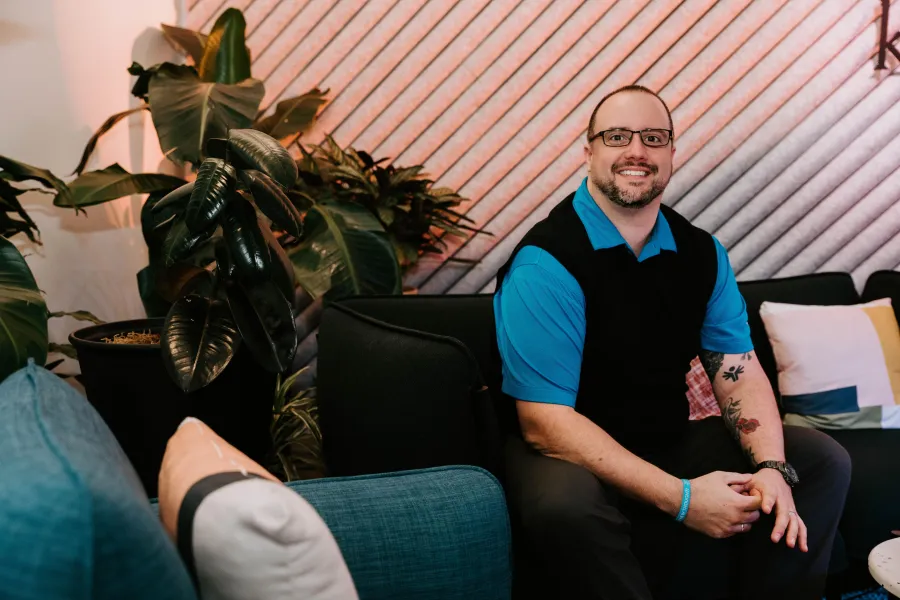
James Russell
Founder, PDX Benefits
About James Russell
James Russell is a licensed employee-benefits consultant based in Portland, Oregon, and the founder of PDX Benefits LLC, an independent brokerage serving employers across Oregon, Washington, California, Michigan, and Arizona since 2023.
- Oregon Insurance Producer License: #20759495
- National Producer Number (NPN): 20759495
- Licensed in: OR, WA, CA, MI & AZ
Background
Before launching PDX Benefits, James spent 12 years as a Special Education teacher, where he specialized in translating dense regulatory frameworks into plain language families could act on. He now brings that same clarity to employee benefits, helping employers navigate complex rules with confidence.
Expertise
James specializes in IRS Section 125 plan design, self-funded health analysis for groups of 2–100, and Paid Leave Oregon compliance. He works extensively with Construction, Manufacturing, and Professional Service firms across the West Coast.